Earthquakes are one of the most devastating natural disasters that can strike at any time with little warning. These geological events can cause immense destruction to buildings, infrastructure, and human lives. Detecting and monitoring earthquakes is crucial in order to mitigate their impact and save lives. One essential tool in earthquake detection is seismic wire rope.
seismic wire rope, also known as geophone cable, is a crucial component in seismic monitoring systems. It is used to detect and measure ground vibrations caused by seismic activity. This specialized wire rope is designed to be highly sensitive to even the smallest movements in the earth’s crust, making it an essential tool for earthquake detection and monitoring.
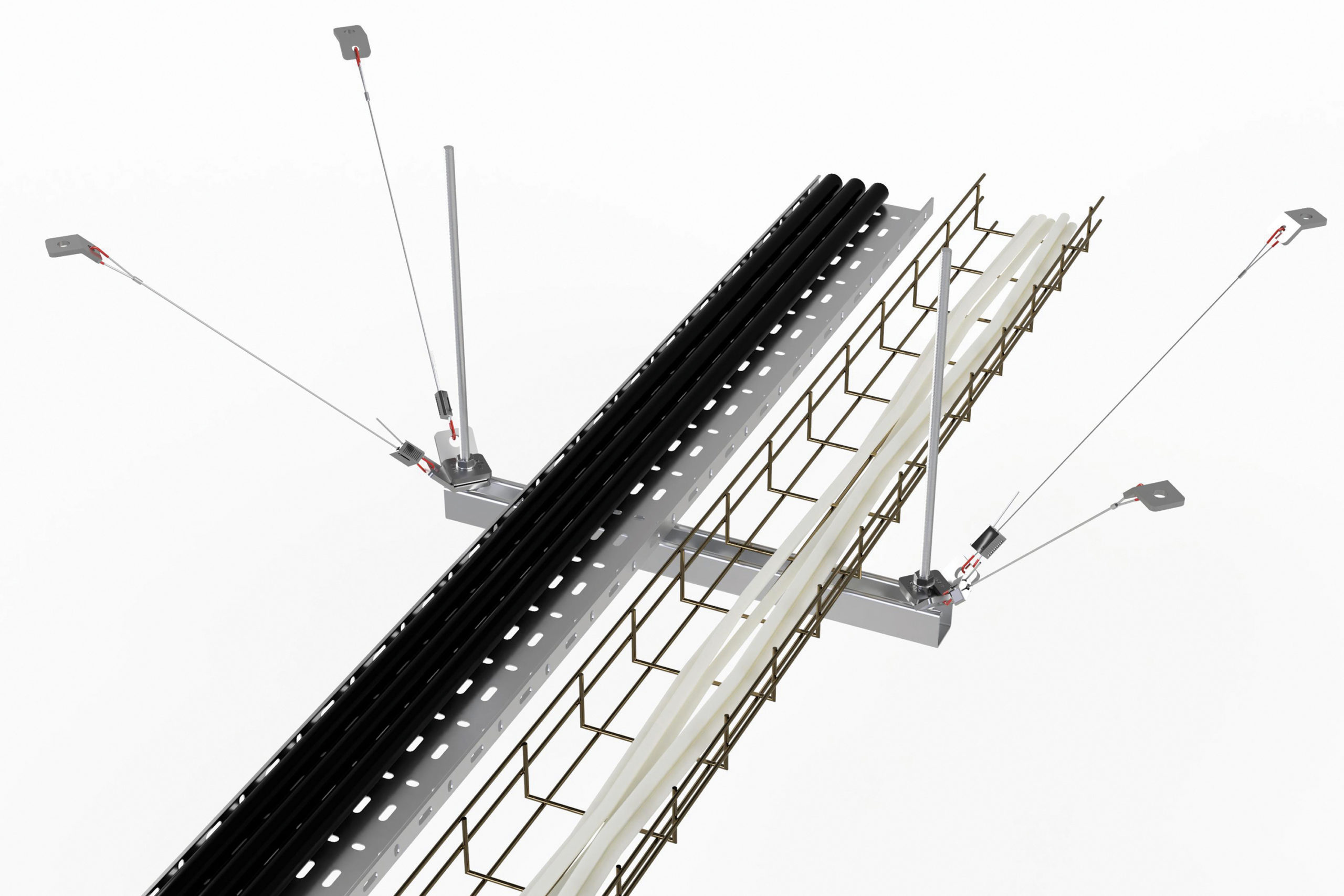
So, how exactly does seismic wire rope work in earthquake detection? The answer lies in its design and construction. seismic wire rope is made up of multiple individual wire strands that are twisted together to form a strong and flexible cable. These wire strands are carefully calibrated to be highly sensitive to ground vibrations, allowing them to accurately detect even the slightest movements in the earth’s crust.
seismic wire rope is typically buried underground or installed on the surface of the ground in areas that are prone to seismic activity. When an earthquake occurs, the ground vibrates, causing the seismic wire rope to also vibrate. These vibrations are then transmitted through the wire rope to sensitive monitoring equipment, where they can be analyzed and used to detect and measure the earthquake.
The sensitivity of seismic wire rope is crucial in earthquake detection. Even small earthquakes that may not be felt by humans can be accurately detected and measured using this specialized wire rope. This early detection is essential in providing timely warnings to communities at risk, allowing them to take necessary precautions and evacuate if necessary.
Seismic wire rope is also used in monitoring aftershocks, which are smaller earthquakes that occur after a major earthquake. Aftershocks can be just as dangerous as the initial earthquake, and monitoring them is crucial in assessing the ongoing risk to affected areas. Seismic wire rope plays a key role in detecting and monitoring aftershocks, providing valuable data to scientists and emergency responders.
In addition to earthquake detection, seismic wire rope is also used in other geophysical and environmental monitoring applications. It can be used to monitor ground movement, landslides, and other geological phenomena. Its high sensitivity and durability make it an invaluable tool in a wide range of scientific research and monitoring projects.
The importance of seismic wire rope in earthquake detection cannot be overstated. Without this specialized cable, scientists would be unable to accurately monitor and measure seismic activity, putting communities at risk of being caught unprepared by earthquakes. By using seismic wire rope in earthquake monitoring systems, scientists can provide early warnings to at-risk communities, potentially saving countless lives.
In conclusion, seismic wire rope plays a crucial role in earthquake detection and monitoring. Its high sensitivity and durability make it an essential tool for scientists and emergency responders to accurately detect and measure seismic activity. By using seismic wire rope in earthquake monitoring systems, communities can be better prepared for earthquakes and other geological events, potentially reducing the impact of these devastating natural disasters.